Mohtab

17 books

Library

Not a reading list. These are the books that genuinely changed how I think, work, or make decisions. I return to them often, and my notes keep growing as I do.

These aren't recommendations. They're working tools. Pull one out.

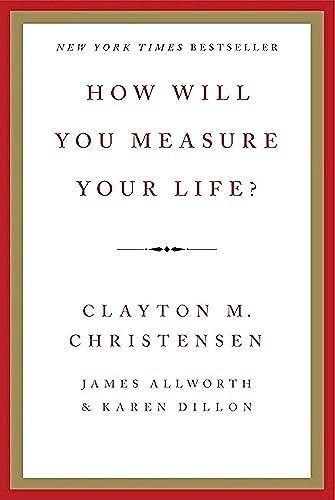
How Will You Measure Your Life? by Clayton M. Christensen — cover

First read in 2017. Revisited often.

How Will You Measure Your Life?

Clayton M. Christensen · 240pp

The book that quietly shaped more of my decisions than any other.

7 August 2026

I first picked this up expecting another management book. It turned out to be something much more personal.

The idea that stayed with me wasn't about business. It was about allocation. Companies become what they repeatedly invest in. People do too.

Looking back, many of the biggest decisions I've made since then — from changing roles to writing, investing and building companies — have really been decisions about where to invest my limited time and attention.

It's one of the few books I still return to because it keeps asking different questions as my life changes. I try to revisit it at least once every year.

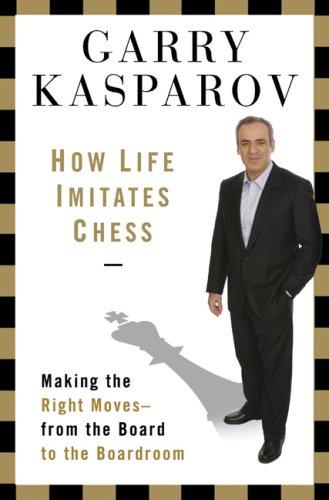
How Life Imitates Chess by Garry Kasparov — cover

First read around 2012–2013. Not revisited as often, but never really left.

How Life Imitates Chess

Garry Kasparov · 272pp approx.

The book that taught me that seeing further isn't the same as seeing clearly.

7 August 2026

I first read this more than a decade ago expecting lessons from one of the greatest chess players in history. The idea that stayed with me had very little to do with chess.

Planning further ahead is only useful if you've understood the position you're already in. A bad evaluation simply leads to a better-executed mistake.

I've found myself returning to that idea in strategy sessions, marketing decisions, investing, and even personal decisions. Before asking what's next, I've learned to spend more time asking whether I've understood what's in front of me.

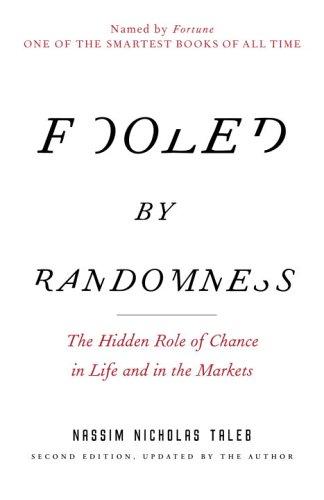
Fooled by Randomness by Nassim Nicholas Taleb — cover

First read in 2009. Revisited years later.

Fooled by Randomness

Nassim Nicholas Taleb · 368pp

The first book on this shelf that genuinely changed my mind the second time I read it.

Undated

Upon second reading of the book I have found many truths to stand out. The principles shared in this book are very valuable and have stood the test of time. My rating and appreciation of the book has grown over time.

7 August 2026

Looking back, this note is exactly why this library exists.

I don't want this collection to record only what I've read. I want it to record how my thinking changes over time. Some books make an immediate impression. Others quietly become more valuable as experience catches up with them. This was one of those books.

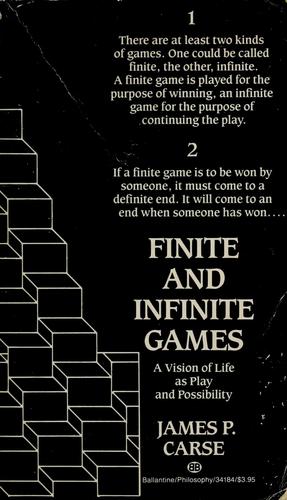
Finite and Infinite Games by James P. Carse — cover

Read in November 2019.

Finite and Infinite Games

James P. Carse · 180pp

It changed the way I think about ambition.

7 August 2026

One of the simplest ideas I've come across, and one of the hardest to forget.

Some things are meant to be won. Others are meant to be continued.

I've found myself returning to this distinction again and again. Careers, companies, writing, investing and relationships all become clearer once you ask a simple question:

Am I trying to win this, or stay in the game?

It turns out many disagreements aren't really disagreements at all. They're two people playing different games.

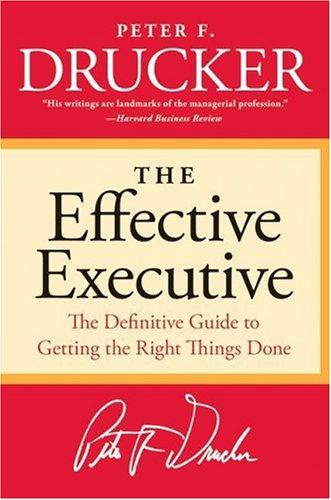
The Effective Executive by Peter F. Drucker — cover

Read in 2020.

The Effective Executive

Peter F. Drucker · 208pp

It taught me that effectiveness is a discipline, not a personality trait.

7 August 2026

Some books become famous because they introduce new ideas. This one earned its place by making timeless ones impossible to ignore.

The distinction that stayed with me wasn't between working hard and working less. It was between being efficient and being effective.

Doing more has never been the goal. Doing what matters has.

It's one of those books I find myself recommending because its lessons don't seem to age.

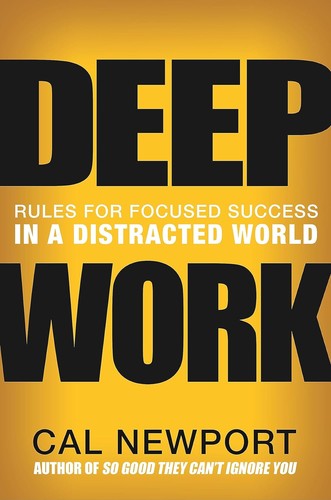
Deep Work by Cal Newport — cover

Read in 2020.

Deep Work

Cal Newport · 296pp

One of the few books on this shelf that I knowingly disagree with.

7 August 2026

I admire this book more than I follow it.

Newport makes a compelling case for protecting long stretches of uninterrupted focus. In many roles I've held, that simply wasn't possible. Speed, responsiveness and judgment mattered more than uninterrupted concentration.

That's exactly why I keep it here.

A library that only contains books I agree with isn't much of a library.

This one reminds me to question my own assumptions.

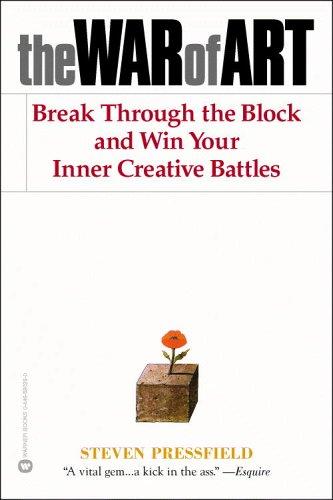
The War of Art by Steven Pressfield — cover

Read in 2016.

The War of Art

Steven Pressfield · 168pp

Sometimes the hardest part of creative work is simply beginning.

7 August 2026

Few books have delivered such a simple message so relentlessly.

Resistance isn't dramatic.

It usually looks like waiting for a better mood, a better idea or a better time.

I've come back to this book whenever I've found myself overthinking instead of making progress.

Its advice is almost always the same.

Sit down.

Do the work.

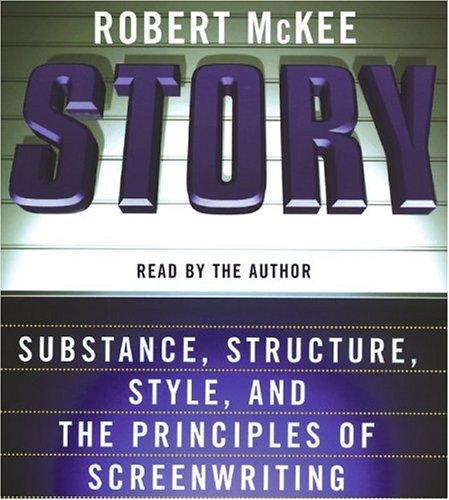
Story by Robert McKee — cover

First read around 2007.

Story

Robert McKee · 466pp approx.

It completely changed how I think about communication, life, and conflict.

7 August 2026

I still remember Lee recommending this book to me. At the time I thought I was reading a book about screenwriting.

I wasn't.

I was reading a book about people.

McKee taught me that stories aren't decoration added to ideas. They're the structure that allows ideas to be understood, remembered and felt.

Whether I'm writing a speech, designing a campaign, building a presentation or explaining a strategy, I still find myself coming back to lessons I first encountered here.

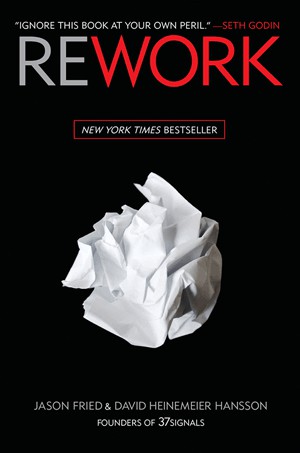
Rework by Jason Fried and David Heinemeier Hansson — cover

First read in 2011. Revisited in 2018.

Rework

Jason Fried and David Heinemeier Hansson · 279pp

It showed me how much of what we call work isn't really work. Meetings, presentations and process can easily become substitutes for making decisions and getting something done.

7 August 2026

This book met me at two very different stages of my career.

The first time, it challenged how I thought businesses should be built. The second time, it challenged what I had started taking for granted.

I still find myself recommending it because it strips away a lot of unnecessary complexity. You don't need a large team, endless meetings or expensive tools to build something valuable. You need clarity, momentum and the discipline to solve real problems.

This is probably the business book I've recommended more than any other. I often gift it to coworkers.

Some business books age with technology. This one ages with experience.

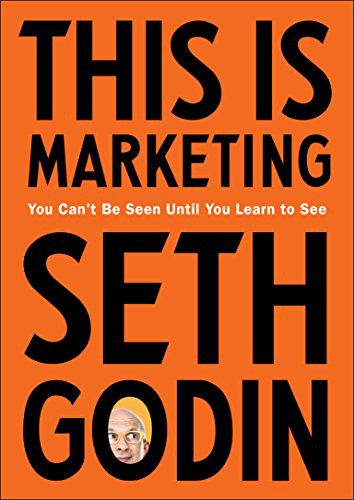
This is Marketing by Seth Godin — cover

Read in 2019.

This is Marketing

Seth Godin · 271pp

It brought together ideas I'd been collecting for years into one coherent philosophy.

24 May 2019

On Permission Marketing: This book has aged well. Even though lots has changed since the book first came out, this book still stands the test of time.

12 June 2019

Imagine someone that has been meditating on the topic of marketing everyday for the past 17 years. Now imagine a summary of all that in a single book. This is a quintessential read for anyone that is interested in the topic of marketing or is considering to open or run a business. While many of the topics and principles mentioned in the book will sound familiar to those familiar with other works by Seth Godin, this book does a great job in bringing together all those points and explaining them in a clear way.

7 August 2026

I'd owned Permission Marketing for years before finally reading it, and immediately followed it with this.

What I admire most about Seth Godin isn't that he teaches marketing. It's that he starts with people.

This book reminded me that marketing isn't about persuading everyone. It's about understanding a specific group of people well enough to create something they genuinely want.

I still recommend it to anyone starting a career in marketing.

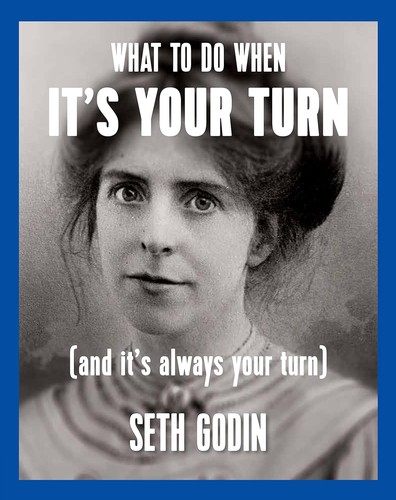
What To Do When It's Your Turn (and it's always your turn) by Seth Godin — cover

Read in 2016.

What To Do When It's Your Turn (and it's always your turn)

Seth Godin · 159pp

It reminded me that ideas only matter once you act on them.

9 April 2016

A great read that I'm sure I'll revisit often.

7 August 2026

When I finished this book, I wrote:

"A great read that I'm sure I'll revisit often."

Looking back, that prediction turned out to be right.

The title isn't really about finding your moment. It's about recognising that there will never be a perfect one.

At some point, you simply have to begin.

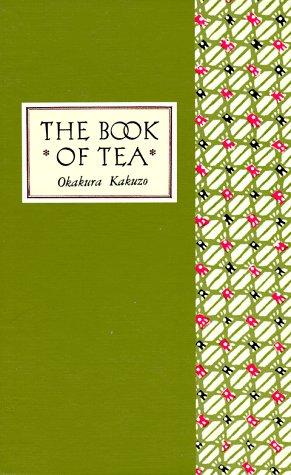
The Book of Tea by Kakuzō Okakura — cover

Read in 2017.

The Book of Tea

Kakuzō Okakura · 133pp

It taught me that restraint is a creative decision.

7 August 2026

I picked this up expecting to learn about tea.

Instead, I found a book about simplicity, intention and leaving things out.

It's one of the oldest books on this shelf, yet many of its ideas feel surprisingly modern. Good design, good writing and good craftsmanship often come from removing rather than adding.

I've carried that lesson into presentations, writing and product design ever since.

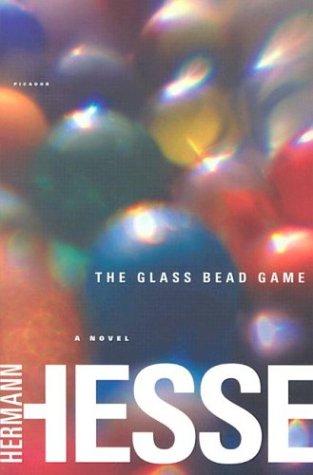
The Glass Bead Game by Hermann Hesse — cover

First read around 2004–2005, while I was still in college. Calling me back.

The Glass Bead Game

Hermann Hesse · 558pp approx.

A reminder that a successful life and a meaningful life are not always the same thing.

7 August 2026

I first read The Glass Bead Game while I was still in college. Looking back, I know I understood only a fraction of it.

Lately I've found myself thinking about it again. Certain scenes and ideas keep resurfacing, almost asking to be revisited.

What I remember most isn't the game itself. It's the tension between dedicating yourself completely to a system and stepping outside it to actually live.

Some books arrive exactly when you need them. Others quietly wait until you've lived enough to read them properly.

I have a feeling this is one of those books.

The Aleph by Jorge Luis Borges — cover

First read before 2010.

The Aleph

Jorge Luis Borges · 224pp

The book that introduced me to Borges, and a way of thinking that has stayed with me ever since.

7 August 2026

This wasn't just my introduction to The Aleph. It was my introduction to Borges.

I came for one story and left remembering many.

The collection challenged my idea of what fiction could be. Stories didn't need to explain themselves or arrive at neat conclusions. They could ask impossible questions, bend reality, and leave you thinking about them years later.

I still find myself returning to Borges whenever I want to be reminded that imagination isn't the opposite of philosophy. Sometimes it's the best way to explore it.

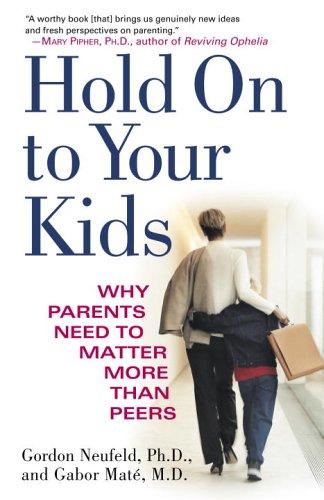
Hold On to Your Kids by Gordon Neufeld and Gabor Maté — cover

Read in 2019.

Hold On to Your Kids

Gordon Neufeld and Gabor Maté · 368pp

It reminded me that my relationship with my children matters more than any parenting technique.

7 August 2026

I read a lot of parenting books around this time.

This is the one that stayed with me.

Most parenting books focus on behaviour. This one focused on connection. It argued that children naturally look to the people they're most attached to for guidance, and that protecting that relationship matters more than finding the perfect method.

As my children have grown, I've found myself coming back to that idea again and again. The activities we do together, the conversations we have, the traditions we build and simply being present all matter more than getting every parenting decision right.

Long after they've forgotten the rules I set, I hope they'll remember how it felt to come to me when they needed me.

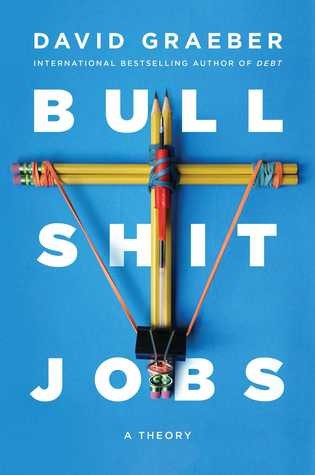
Bullshit Jobs by David Graeber — cover

Read in 2018.

Bullshit Jobs

David Graeber · 335pp

A book I disagree with in many places, but one that asks an important question: does the work we do genuinely create value?

18 December 2018

While I might disagree with many of the points made in this book, I have to give it to David Graeber for being able to tackle such a provocative topic. A thought-provoking read that gets you to see many jobs in a new light.

7 August 2026

Looking back, I still disagree with many of Graeber's conclusions.

What stayed with me wasn't his answer. It was his willingness to question assumptions that most people accept without thinking.

The book made me more conscious of work that exists to maintain appearances rather than solve problems. Since then, I've found myself asking a simple question whenever designing a process, building a team or sitting through another meeting:

If this disappeared tomorrow, would anyone actually be worse off?

It's an uncomfortable question, but often a useful one.

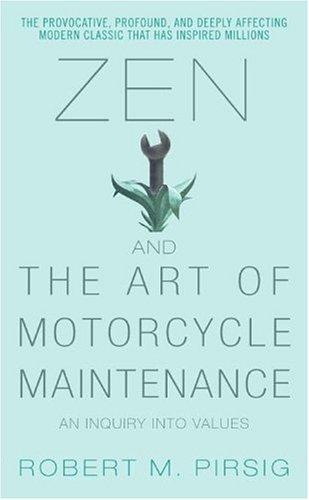
Zen and the Art of Motorcycle Maintenance by Robert M. Pirsig — cover

First read in 2005. Reread 2024.

Zen and the Art of Motorcycle Maintenance

Robert M. Pirsig · 540pp

A book that reminds me that the quality of our work can never be separated from the quality of our thinking.

On first reading, 2005

I don't remember every idea from my first reading.

I remember the feeling.

It was one of the first books that showed me philosophy didn't have to stay inside classrooms. It could live inside ordinary work, conversations and the way we approached everyday problems.

7 August 2026

I reread this recently, and it took me far longer than its length explains.

I'd get through five or ten pages, then hit a single line that would stop me. I'd put the book down and think about it, sometimes for days, before picking it up again.

Not many books slow you down like that.

Reading it twenty years later, I realised it wasn't giving me answers. It was teaching me to ask better questions.

That's a much rarer thing.

This shelf is intentionally small. New books earn their place slowly, and some eventually leave. Every addition and removal becomes part of the archive.

Notes keep the date they were written, not the date they were added here. They aren't rewritten to match what I think today. I'd rather preserve how my thinking changed than pretend it was always consistent.

Covers are the publishers', reproduced small to identify the book.