Marketing
Beyond Brick and Mortar: Developers Are Building Tech
Dubai’s developers have long been celebrated for reshaping the city’s skyline. Towers, villas, and master communities defined their success. But today,…
14 September 2025
Dubai’s developers have long been celebrated for reshaping the city’s skyline. Towers, villas, and master communities defined their success. But today, the role of the developer is evolving. No longer content with handing over the keys, they are building platforms that extend their influence into resale, investment, and long-term trust. Just as Bayut became the go-to for property search and Property Finder shaped how homes are bought and sold, developers are now moving to own that digital layer themselves, rewriting what it means to buy, sell, and invest in real estate.
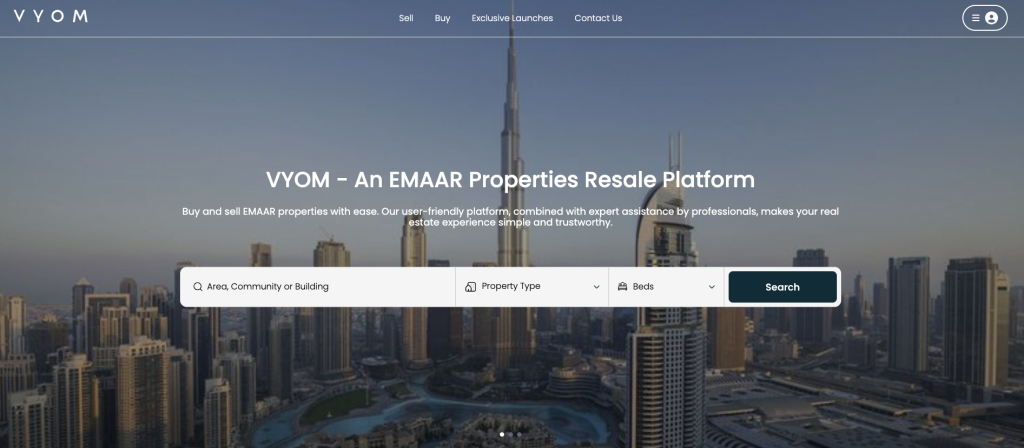
VYOM is EMAAR’s entry into the secondary market. Until now, resale in Dubai has been messy. Property Finder and Dubizzle dominate the space, but the experience is often plagued with duplicate listings, speculative pricing, and brokers who prioritize commissions over transparency. For buyers, it creates confusion. For developers, it undermines brand value. EMAAR’s answer is VYOM, a curated marketplace where only EMAAR properties are listed, verified and backed by the developer itself.
The timing is not accidental. The secondary market in Dubai has been growing fast, driven by investors who flip off-plan purchases and end-users who want ready properties without waiting for construction. In many months, secondary sales now account for more than half of all transactions. By stepping in, EMAAR is not just protecting a revenue stream but also safeguarding its reputation. Controlling the resale experience ensures that property values are maintained across the full lifecycle, from off-plan buyers to secondary buyers years later. If resale values collapse or feel unreliable, confidence in new launches weakens too. VYOM is less about competing with Property Finder and more about reinforcing the message that EMAAR properties hold their value long after handover.
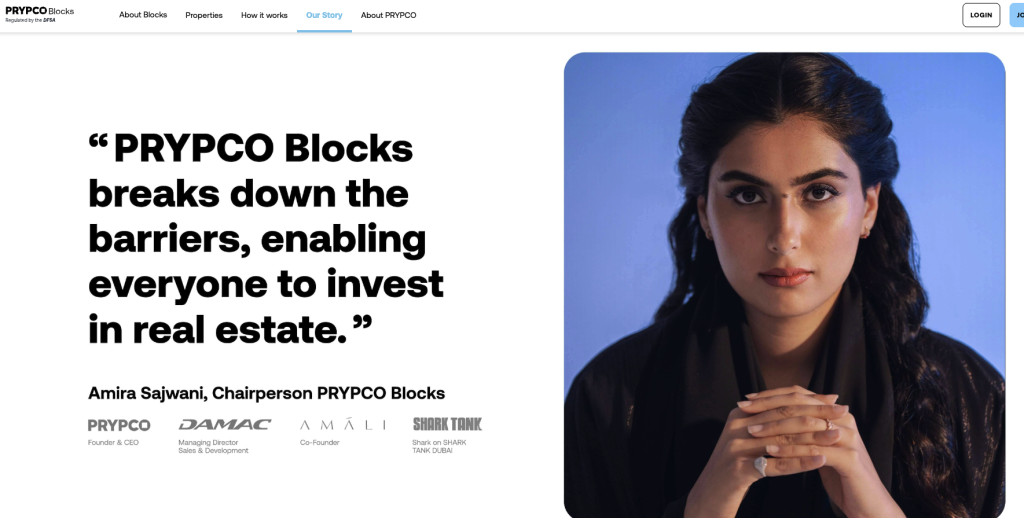
If VYOM is about protecting value, PRYPCO is about creating liquidity. Founded by Amira Sajwani of the DAMAC family, PRYPCO introduces fractional ownership to Dubai, allowing investors to buy into properties from as little as AED 2,000. Instead of waiting years to save for a full down payment, younger investors can enter the market immediately and receive monthly rental income proportional to their share.
This is not just about affordability. It is about meeting a generation where they already are. Younger investors have grown up with Robinhood, Binance, and Coinbase. They are comfortable buying fractions of assets, whether that is crypto, stocks, or NFTs. PRYPCO fits into this mindset perfectly, positioning real estate as another liquid asset class that can be accessed with the swipe of a phone. The credibility of being backed by a Sajwani matters, but the bigger play is cultural: making Dubai’s property market relevant to a new, global audience that expects real estate to be as accessible as digital tokens.
Amira herself symbolizes this generational shift. While her father, Hussain Sajwani, built DAMAC into one of Dubai’s most recognized developers through bold launches and physical projects, Amira is pushing the brand into the digital age. Her approach is more global, more tech-driven, and more focused on financial inclusivity. PRYPCO is not just a new business; it is a signal that Dubai real estate is evolving under leaders who think like fintech founders as much as developers.
What It Means for the Market
VYOM and PRYPCO represent two sides of the same shift. EMAAR is protecting the long-term value of its developments by pulling the secondary market into its own ecosystem, making sure brand equity and pricing strength are preserved from off-plan launches to resale years later. DAMAC, through PRYPCO, is expanding the market by giving younger and global investors a way in, many of whom would otherwise turn to crypto or equities. Together they show how developers are no longer content with building projects. They are actively shaping the full lifecycle of property ownership.
The implications are global. Buyers may start to trust developer-backed platforms more than brokers or third-party portals. Younger investors, already comfortable with fractional ownership in stocks and crypto, may see property shares as a natural extension of their portfolios. For developers, the opportunity is to shift from one-off sales to long-term value creation, earning across the entire lifecycle of their projects. The winners in real estate will not only be those who deliver iconic buildings but those who build the strongest digital ecosystems around them. Some markets are already showing the way forward, and the question now is how quickly developers worldwide will embrace this model.
- Filed
- 14 September 2025